The Dawn (1966)
he left before the police arrived
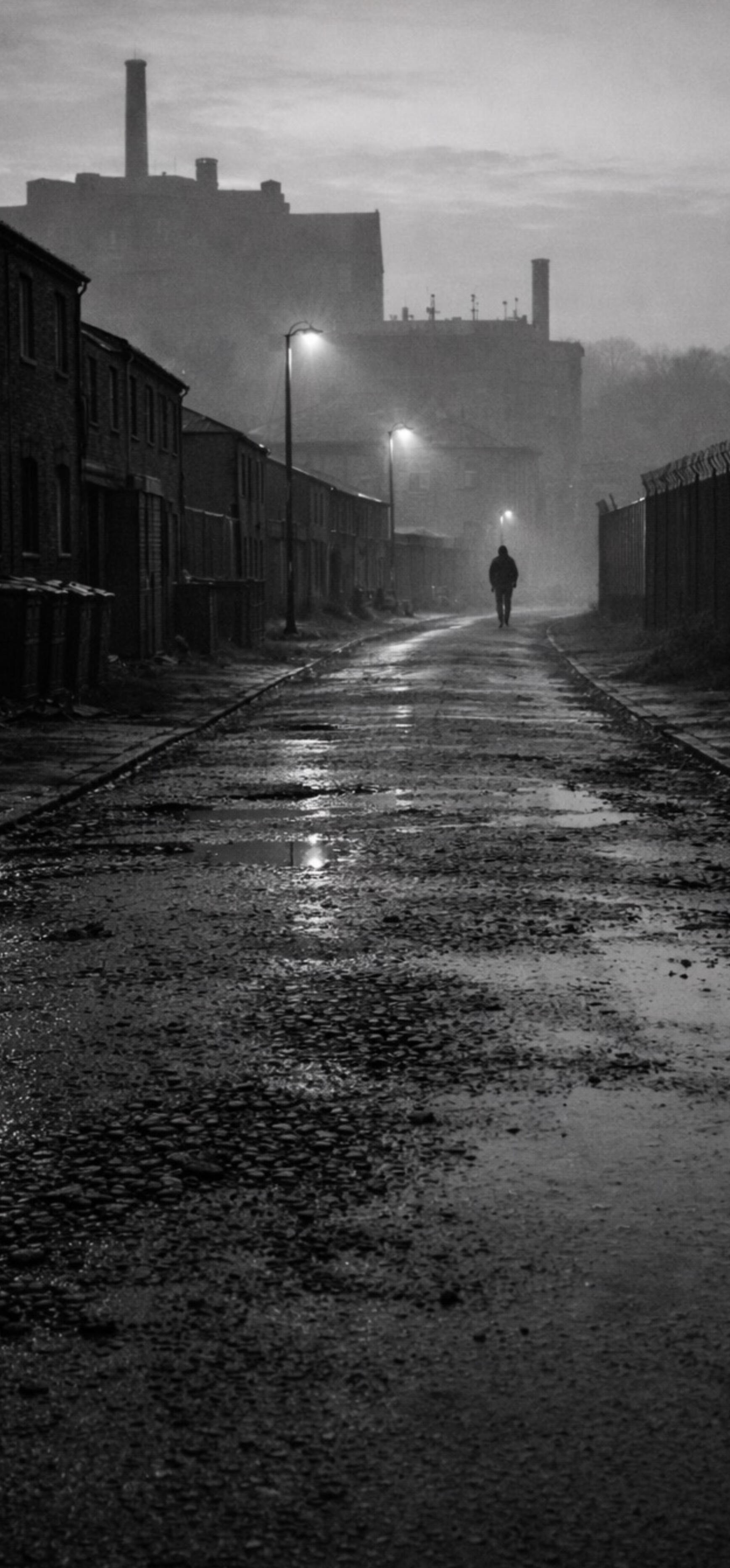
Released in 1966, The Dawn marked a sharp departure from the domestic dramas with which Crimea Street Films had become associated. Set around an unlicensed drinking club on the edge of an industrial district, it was one of the studio’s few attempts at a contemporary crime picture.The film follows Michael Rudge, who leaves The Dawn shortly before its owner is found dead in an upstairs office. Rudge tells police that he entered the club for the first time that night and witnessed nothing unusual. His account is supported by the staff and customers, all of whom deny knowing him. As the investigation continues, however, it becomes clear that Rudge knows the building, its routines and everyone inside it remarkably well.Told through conflicting accounts of the same evening, The Dawn gradually reveals that Rudge had once managed the club’s illegal gambling room before disappearing with a substantial amount of money. His return had been arranged by someone who knew that neither he nor the club’s remaining staff could tell the truth without incriminating themselves. The film’s final image shows Rudge walking alone through the industrial streets as police cars pass in the opposite direction towards The Dawn.
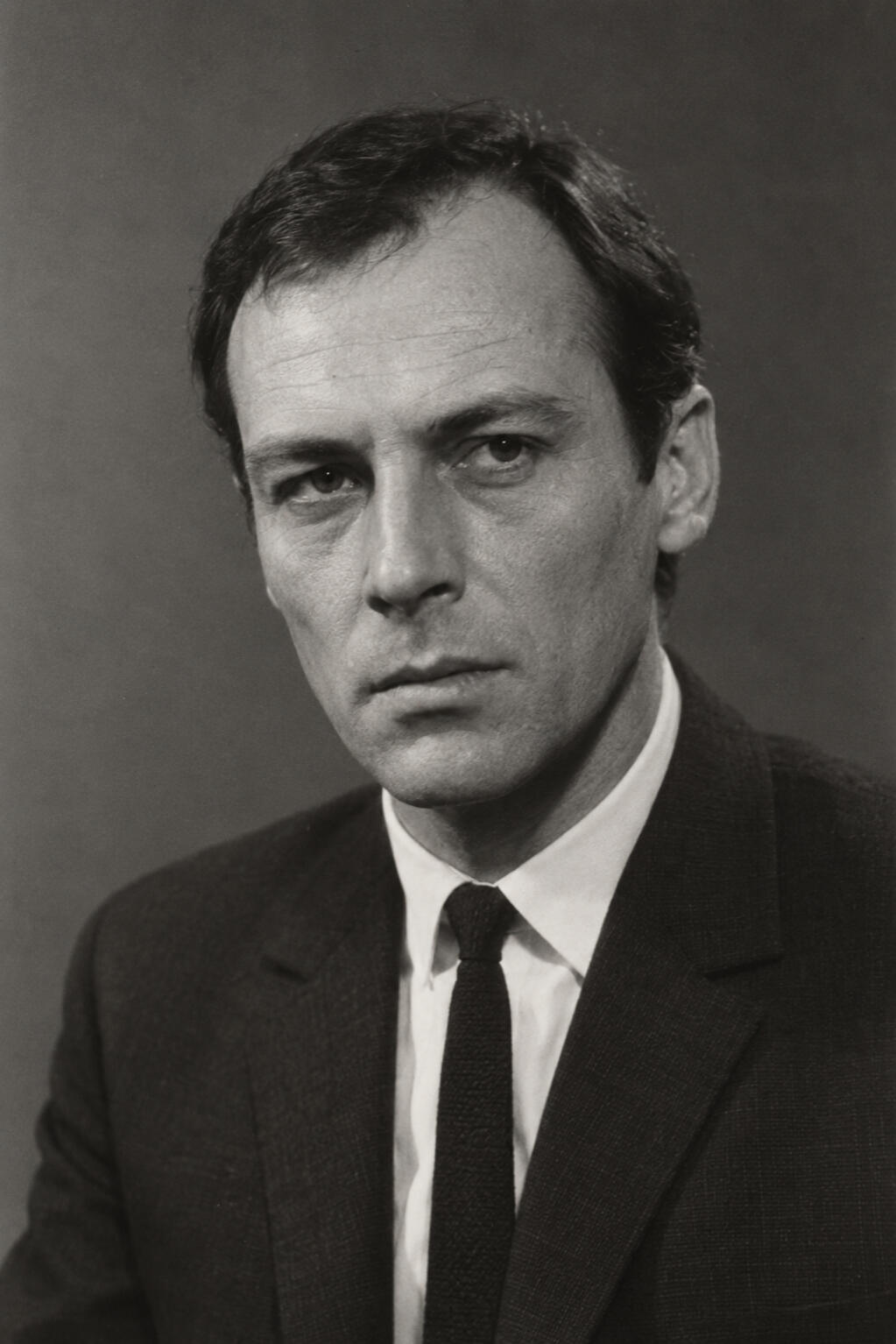
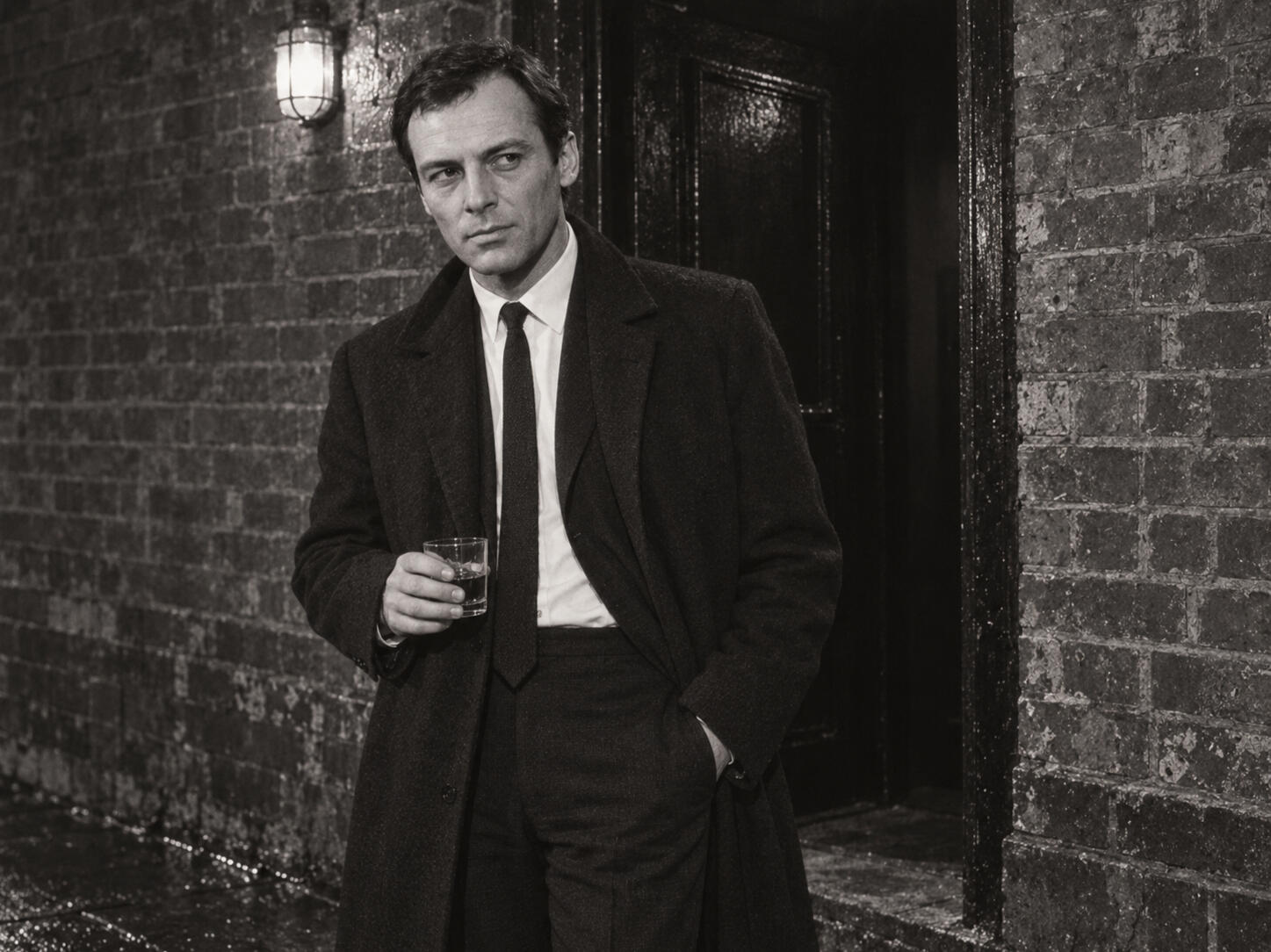
Tom Osgothorpe (1928–2004)Tom Osgothorpe was born in Grimsby in 1928, the son of a trawler engineer and a shop assistant. He left school at fourteen and worked briefly as a clerk near the docks before being called up for National Service. It was while stationed in Germany that he first appeared on stage, taking small parts in productions organised for servicemen.After returning to England, Osgothorpe joined an amateur theatre company in Grimsby before securing his first professional engagement in Lincoln. Several years in repertory followed, during which his lean appearance and naturally guarded manner frequently saw him cast as policemen, dishonest businessmen and men with something to conceal.By the early 1960s, he had begun appearing regularly in television crime dramas. Although seldom given leading roles, Osgothorpe became a familiar face to viewers, often playing suspects whose guilt remained uncertain until the final scene. He was particularly effective when required to suggest unease without dialogue, a quality directors valued but which did little to broaden the range of parts he was offered.Osgothorpe made his only appearance for Crimea Street Films in The Dawn. The role of Michael Rudge was considerably larger than his previous screen work and allowed him to carry long sections of the film alone. Much of his performance depended upon silence, with Rudge’s history revealed through the reactions of other characters rather than anything he admitted himself.The production was not an easy one. Several exterior scenes were filmed shortly before sunrise over a period of three weeks, often in rain and considerable cold. Osgothorpe later remembered spending more time waiting for the correct light than actually performing. He nevertheless regarded The Dawn as the best film role he was given.Following the closure of Crimea Street Films, Osgothorpe continued working steadily in television and repertory theatre. He never became widely known, but remained employed throughout the 1970s and 1980s as a dependable supporting actor. His later roles increasingly consisted of senior police officers, magistrates and disapproving fathers.Osgothorpe retired in 1991 and returned to Lincolnshire with his wife, Jean. He spent his final years collecting maritime photographs and recording memories of Grimsby’s fishing industry. He died in 2004 at the age of seventy-six.Although his association with Crimea Street Films consisted of a single production, his performance in The Dawn remains one of the studio’s strongest leading roles from its final year.
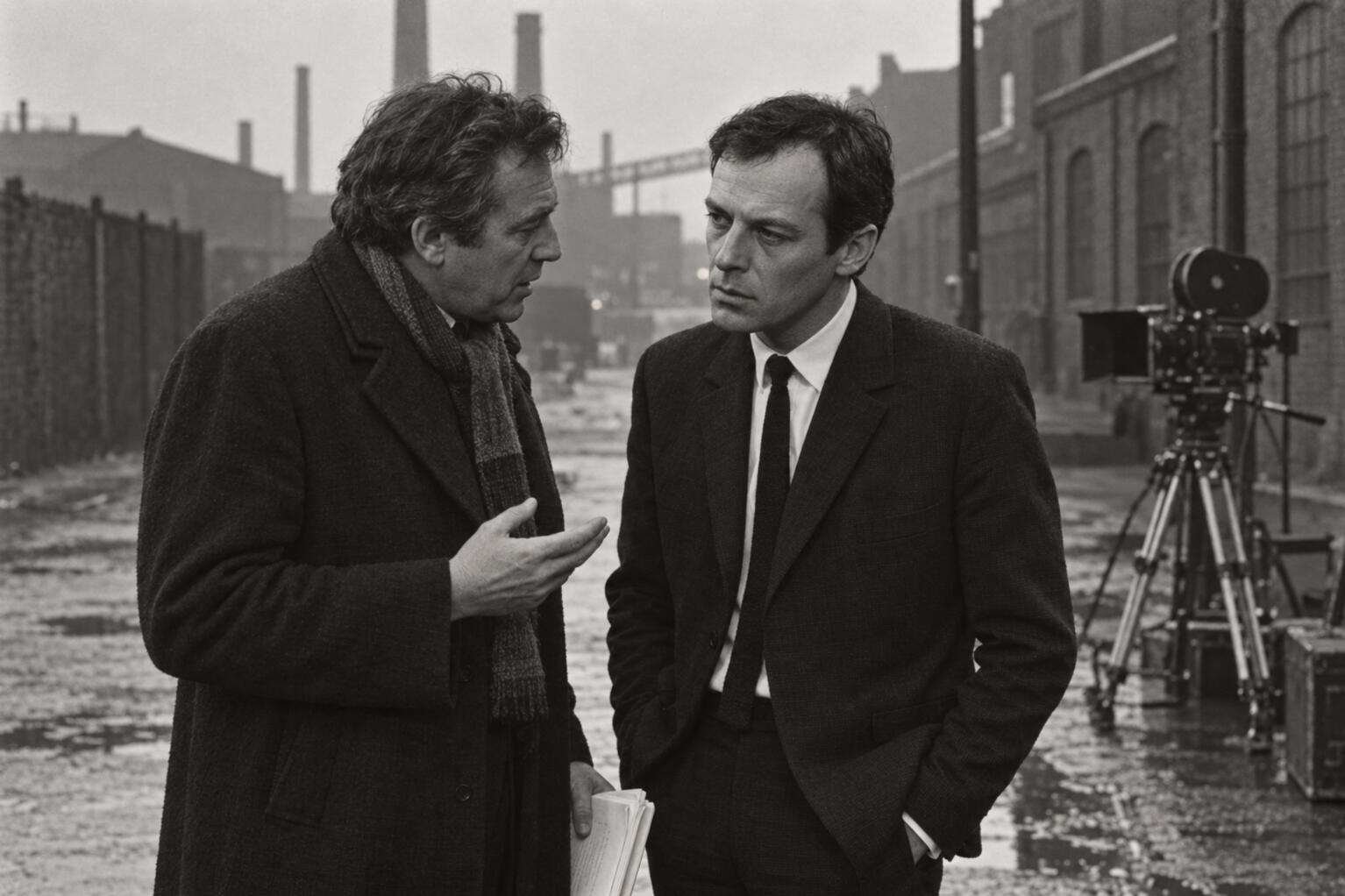
The Dawn (Northern Deco)For The Dawn, Olive James built the entire composition around the first light appearing behind the industrial skyline. Broad rays extend across the sky while factories, chimneys and terraced buildings are reduced to dark, overlapping shapes.The wet street provides a second pattern beneath them. Reflections from the remaining streetlamps break across the road, drawing the eye towards the solitary figure of Michael Rudge without allowing him to dominate the scene.It is one of James’ more graphic interpretations of a Crimea Street production. Rather than recreating the film’s crime or its nightclub setting, she captured the moment when Rudge leaves that world behind and walks into a town beginning its ordinary working day.Available exclusively through FCSF, this artistic interpretation is available unframed on 240 gsm art paper and measures 16 x 20 inches.
What did the critics think?
Upon release, as with so many of the studio's films, The Dawn received sharply divided reviews.The Observer praised the film’s atmosphere:“A damp, uneasy little thriller in which every silence appears to conceal an arrangement already made.”Daily Cinema was particularly impressed by its leading actor:“Tom Osgothorpe gives Crimea Street Films something it has too often lacked - a central performance capable of holding the picture together when the plot threatens to come apart.”The Liverpool Daily Post was less convinced:“The flashbacks multiply, the witnesses contradict one another and eventually the audience may cease to care which of them is lying.”The Daily Mirror dismissed it more bluntly:“A gloomy northern nightclub, a dead owner and enough meaningful looks to fill the dance floor.”The film performed reasonably well during its initial release, particularly in larger industrial towns, but repeat bookings were limited. Later assessments have been kinder, regarding The Dawn as evidence that Crimea Street Films was beginning to move in a more contemporary direction during its final year.
From the archive
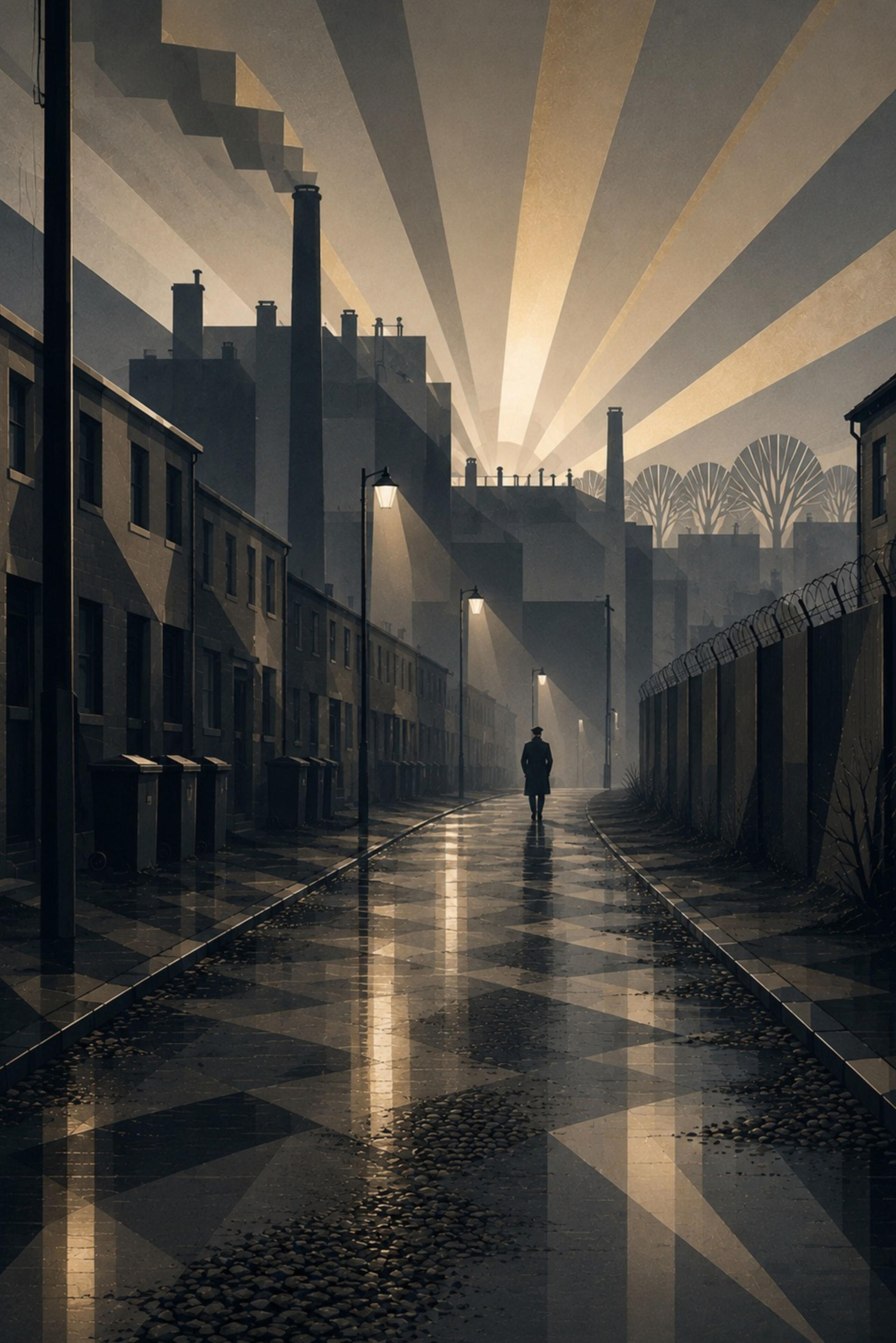
Production reports reveal that police visited the location during filming after a resident reported a suspicious man repeatedly walking along the street shortly before five in the morning.Tom Osgothorpe was still in costume and initially refused to explain what he was doing because the cameras were about to roll. The report concludes:“Mr Osgothorpe’s commitment to remaining in character was not helpful.”
Publicity shot from the archive
The artwork of Reg Baines
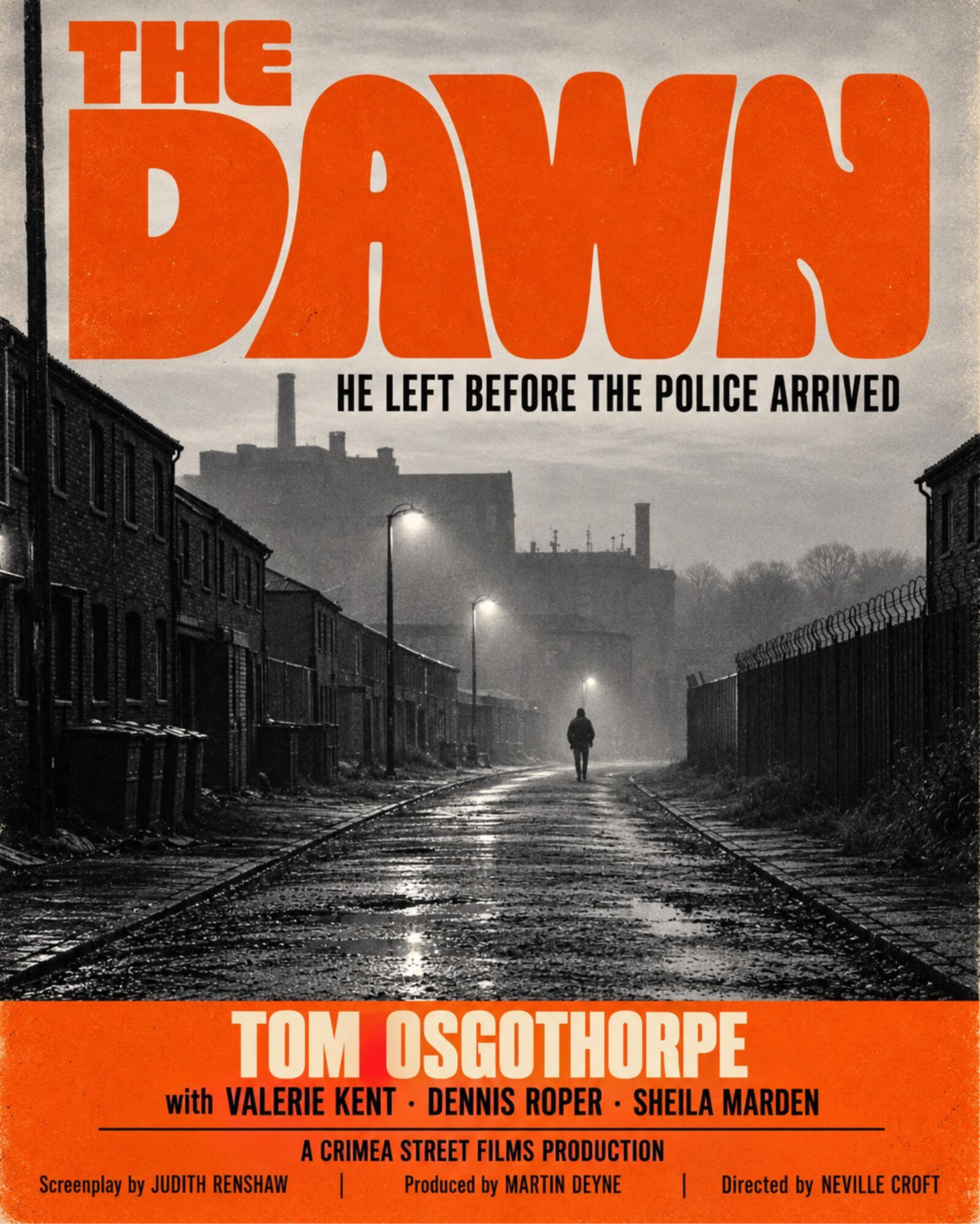
The original posters created by Reg Baines are synonymous with the studio and are very much part of its history.They would have been seen throughout the North of England outside cinemas, on hoardings and in places such as train stations.Most of them were damaged in a fire at the studio in late 1966, but we are delighted to now work with Parbold-based artist, Brian Astley.He has faithfully reproduced each poster to a standard that our Reg would have been proud of and each one is available unframed on 240 gsm art paper as a 16 x 20 inch homage to the films we celebrate.
Further Exploration
Discover the other films we focus on this month and come back soon for a new selection.